
Categories
Top products
Vote
Diamond Nails News
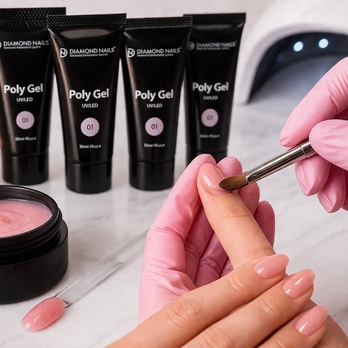
The choice of polygel is no longer just about “which one is the best”, but also about how well it fits your workflow and your clients’ needs. The right material not only delivers a more beautiful end result, but also ensures faster and more predictable work. That’s exactly why more and more professionals turn to proven, Diamond Nails professional brands.
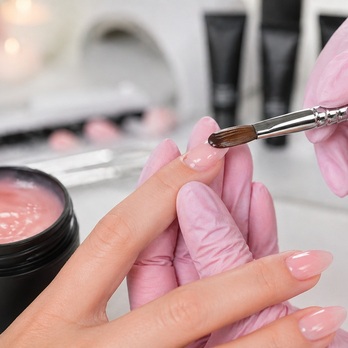
In modern nail enhancement, speed, precision, and durability are essential. Diamond Nails Polygel offers an innovative solution that enables more efficient work, especially in a salon environment.

In the beauty industry, it is rare to find a brand that not only promises quality but is also proven daily by thousands of users. The popularity of Diamond Nails gel polishes has grown explosively in Hungary recently. Whether we talk about professionals or at-home manicure enthusiasts, the reason for switching is clear: reliability and a premium experience.

Gel polish usually doesn’t last because the preparation is incorrect, it is applied too thickly, or it doesn’t cure properly in the lamp. The issue is almost always technical, not the material itself. Experts – the Diamond Nails team – emphasize that durability mostly depends on proper technique.
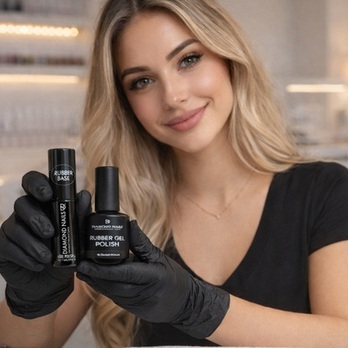
Rubber Base is a flexible base layer that provides strong adhesion between the natural nail and gel polish, while following the natural movement of the nail. It helps prevent lifting, chipping, and cracking, which is why Diamond Nails experts especially recommend it for thin or problematic nails.
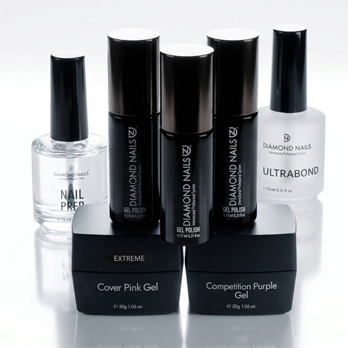
Long-lasting nails are not decided by colors, but by the foundation. We show you the 7 Diamond Nails products, where it truly doesn’t pay off to save as a nail technician. The client sees the color, the shape, and the final result. Durability, however, is determined much earlier. If preparation, adhesion, or sealing is weak, it leads to lifting, wear, and extra corrections. That’s why there are certain Diamond Nails materials, where compromise simply isn’t worth it.
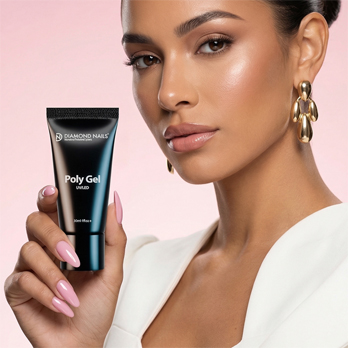
In the world of professional artificial nail building, new technologies and materials appear constantly, but only a few products manage to create a real breakthrough in salon work. Recently, more and more professionals have been talking about one product: the Diamond Nails Polygel. On professional forums, social media and Google reviews, the same opinion appears more and more often: the Diamond Nails Polygel is one of the easiest-to-use and most durable polygels on the market.
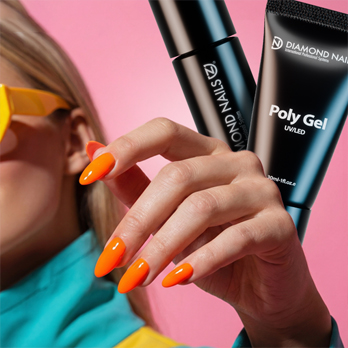
The 2026 spring nail trends focus on natural elegance, milky and pastel shades, and fast yet long-lasting techniques. Clients are looking for clean, wearable nails that fit everyday life while still reflecting current trends. In this Diamond Nails polygel, builder gel and gel polish range provides the ideal foundation.
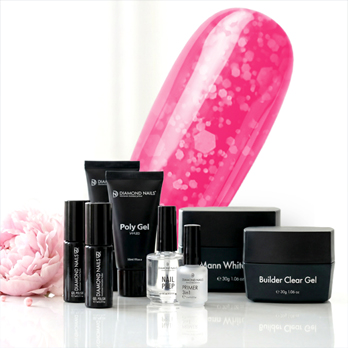
Clients have simple expectations: the nails should be long-lasting, remain beautiful until the next appointment, and cause no issues during everyday wear. Diamond Nails products provide reliable solutions exactly for these everyday needs, which is why they have become a permanent choice in many salons.

In recent years, more and more UV/LED nail lamps have been advertised with extremely high power ratings – 72W, 80W, or even 120W. But are these numbers real? Based on professional experience, there are very few UV/LED lamps on the market that truly exceed 48 watts. Despite this, many manufacturers display much higher wattage figures on the packaging for marketing purposes. In this article, we show you how to easily check the real power.
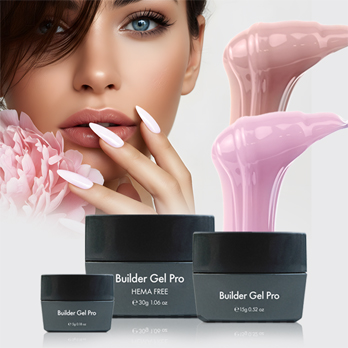
In the world of professional nail building, trends and expectations are constantly evolving. In recent times, however, one clear trend has emerged: more and more nail technicians are switching to Diamond Nails Builder Pro nail builder gels, a fact also confirmed by the growing number of positive customer reviews. Appreciative feedback continues to appear both on the Diamond Nails website and in Google reviews.
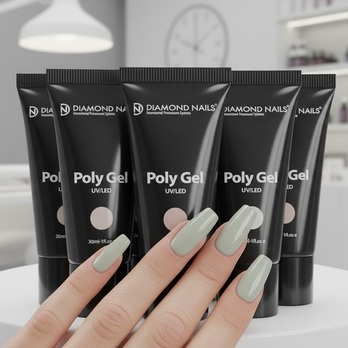
When working with polygel, the shape and durability of the set are largely determined by the very first layer. If the material starts moving out of place during shaping and becomes difficult to control, one of the most common reasons is applying the base layer too thick. In this article, we’ll show you 5 clear signs that help you recognize when the base layer is too thick, along with the typical factors that can further intensify the problem.